
Why Keys Snap — and Why It Matters Which Lock Type You Have
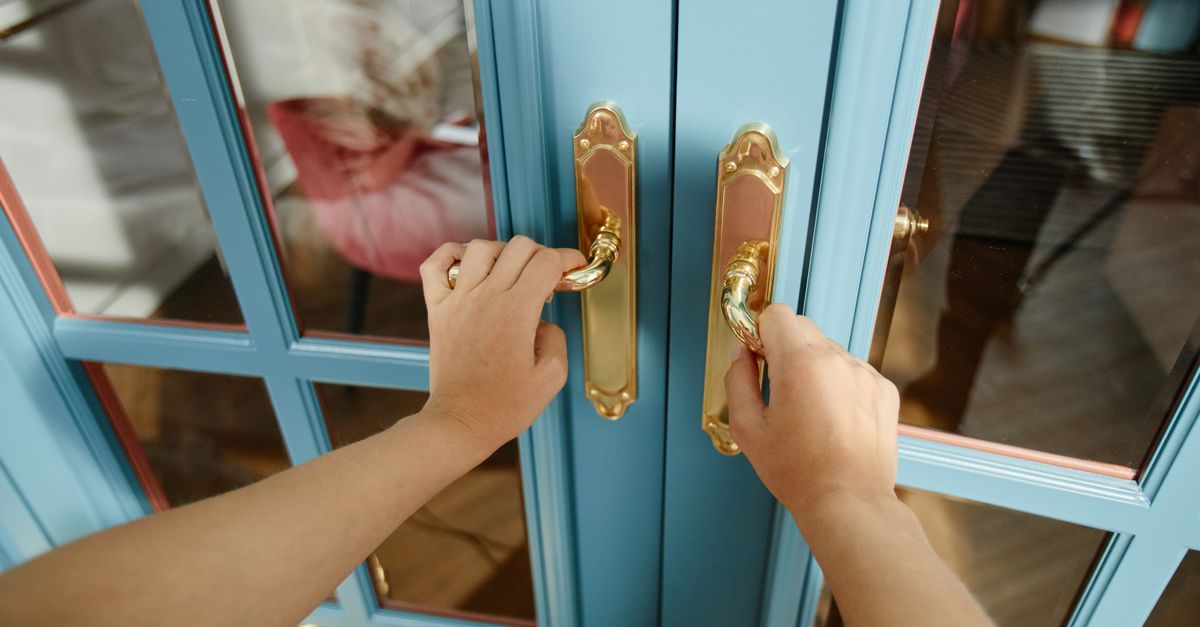
Keys snap for a variety of reasons: metal fatigue in an older key that has been used thousands of times, a lock that has not been lubricated in years, a sudden twist applied with too much force, or a faulty key that was poorly cut to begin with. In Beckenham, as across most of south-east London, residential front doors typically carry two separate locks — a rim-mounted nightlatch (commonly called a Yale lock) on the upper part of the door and a 5-lever mortice deadlock set into the door body below it. Many properties, including the terraced and semi-detached Victorian and Edwardian houses that line roads such as Copers Cope Road and Manor Road, also have rear uPVC doors fitted with a multipoint locking system operated by a euro cylinder. The lock type determines the extraction approach entirely. A nightlatch has a relatively shallow keyway and the broken fragment is often accessible with slim hook tools. A 5-lever mortice lock has a much deeper, more complex keyway and may require a different instrument to manipulate the broken piece past the levers and out. A euro cylinder presents its own challenge because the keyway is tight and the broken section can sit at an awkward angle within the plug.
Trying to grip and pull the fragment yourself — especially with tweezers, a stiff wire, or a coping saw blade — risks compacting it further or scratching the lock's internal components. If you are in a uPVC door situation, the cylinder is also relatively easy to damage during amateur extraction attempts, which then requires a full cylinder replacement. The safest course of action is to leave the fragment exactly where it is, do not try to operate the lock further, and call a qualified locksmith straight away.